Humanoid robots and humanoid robotics are now popping up in conversations everywhere, and for good reason. In this blog, we walk through humanoid robots 101: why humanoid robotics is gaining attention, what humanoid robots actually are, and how this technology will begin affecting Finnish companies and working life in the coming years.
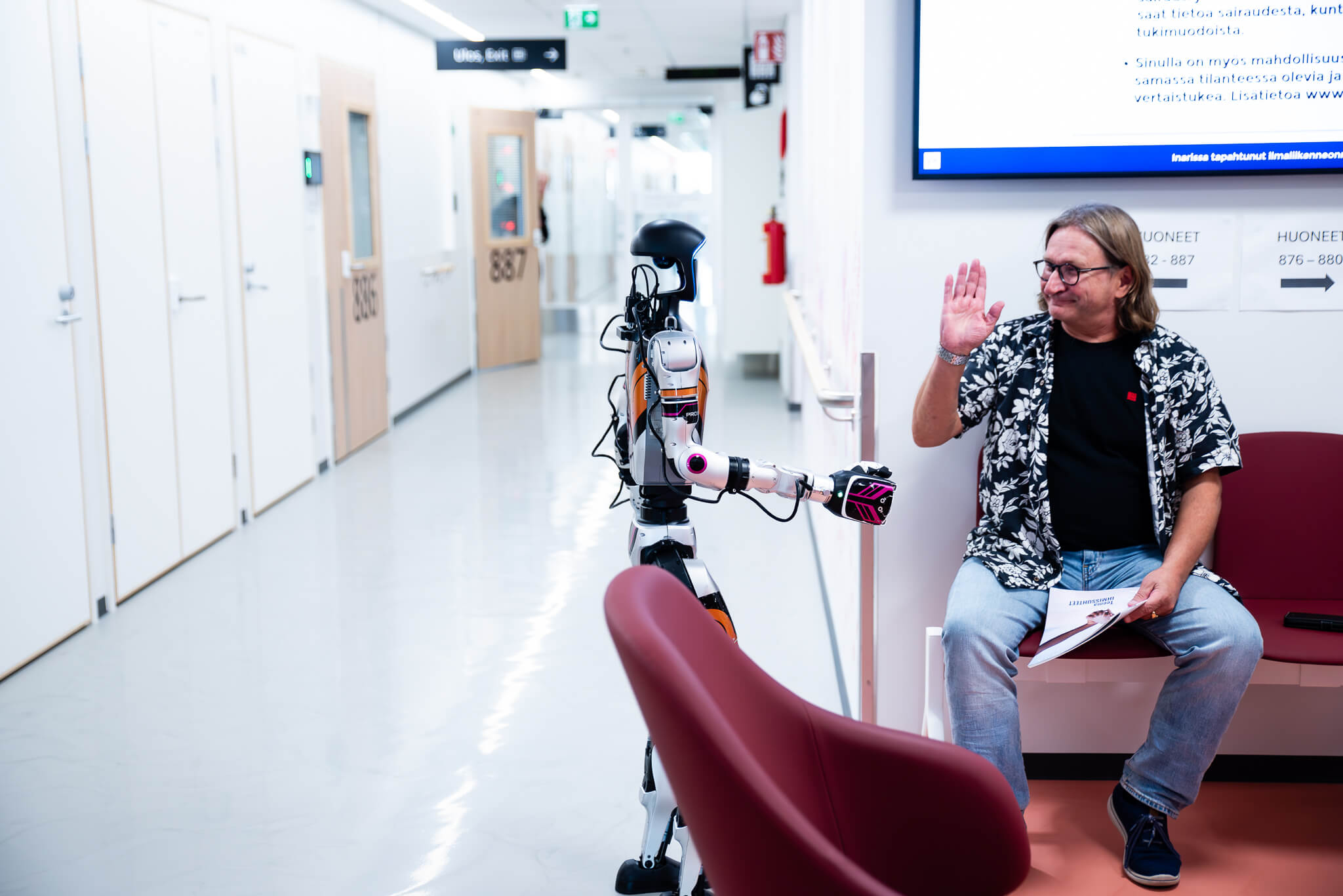
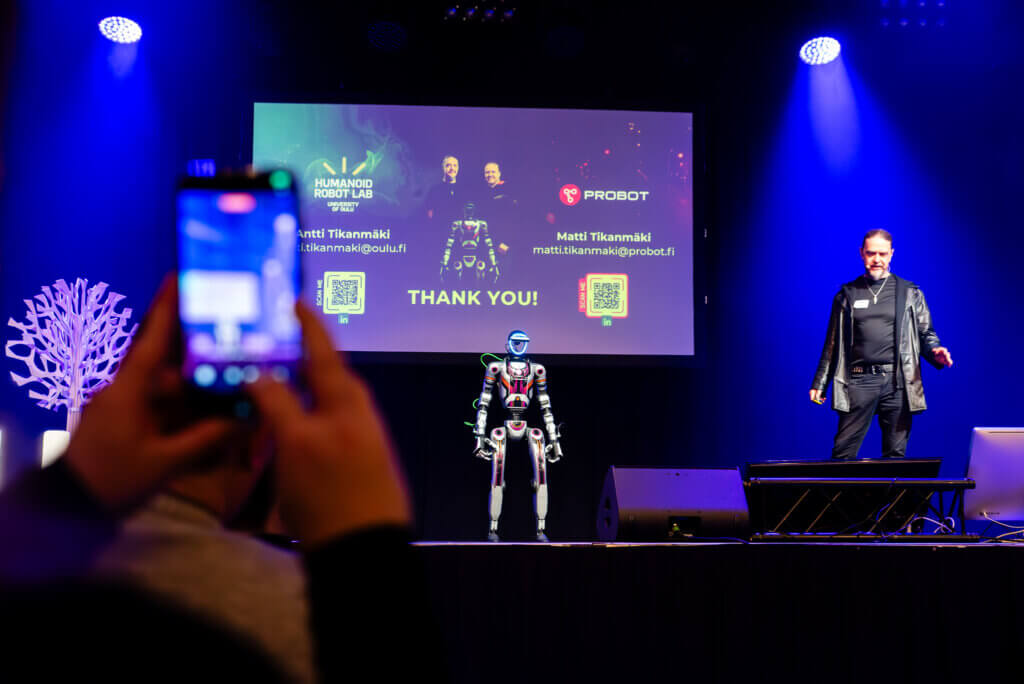
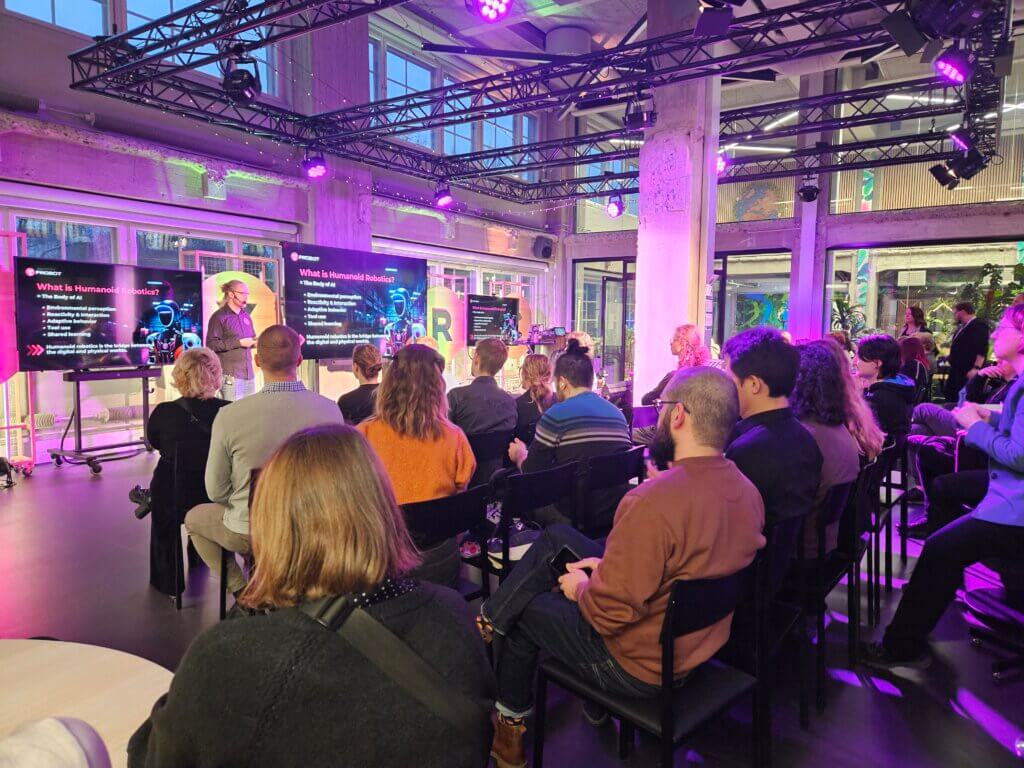
The year 2025 can genuinely be called Probot’s first major year in humanoid robotics. This autumn we delivered the first Unitree G1 humanoid robots to our customers, organized trainings, toured numerous events across Finland, and gained media visibility for the topic. Our humanoid robot Arska has been a sought-after guest wherever it goes, and our experts Matti and Antti Tikanmäki have been travelling with him to share insights about humanoid robotics, AI, and the future of work.
Humanoid robots are now shifting from laboratories and expo stages into everyday environments. That’s why this is the right moment to take a deeper look at the topic here in our blog.
Why are Humanoid Robots a Hot Topic Right Now?
Many of us feel a spark of childlike excitement when we encounter a humanoid robot. The same spark that once watched Terminator or other robot movies and wondered what the future might look like. And that excitement is well-placed, because now is exactly the right time to lean in.
The development of humanoid robotics has progressed faster in the past two years than most predicted. The biggest driver is the rapid advancement of AI: state-of-the-art language models and vision systems give robots an entirely new way to understand their surroundings and communicate with people. At the same time, humanoid robotics gives AI the physical capability it has been missing.
The threshold to experiment has dropped dramatically. The first commercial humanoid robots are now available in Finland, and companies can finally test the technology in real environments without astronomical investments. Behind the momentum we also see demographic aging, rising cost pressures, and expectations for 24/7 services, all of which push companies toward new tools.
And the excitement is far from limited to industry: potential use cases span logistics, research, education, service sectors, and healthcare. Any technology that streamlines routine tasks and frees people’s time for more meaningful work tends to spark interest across the board.
In short: the technology and the need have finally met.
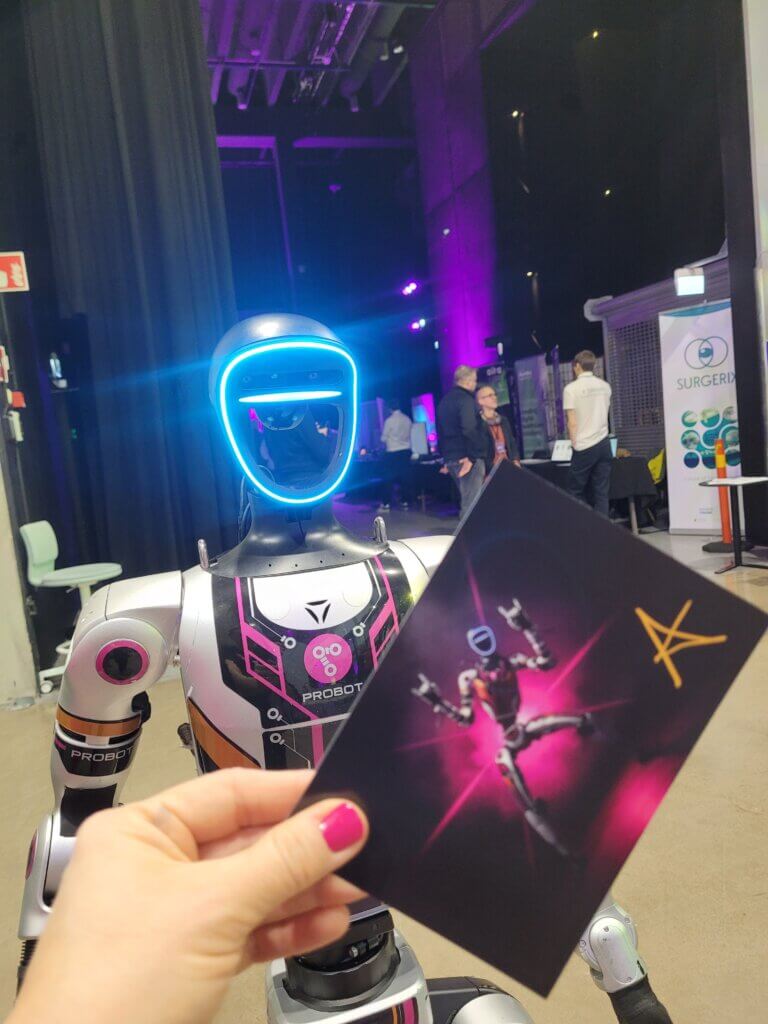
What Exactly Is a Humanoid Robot?
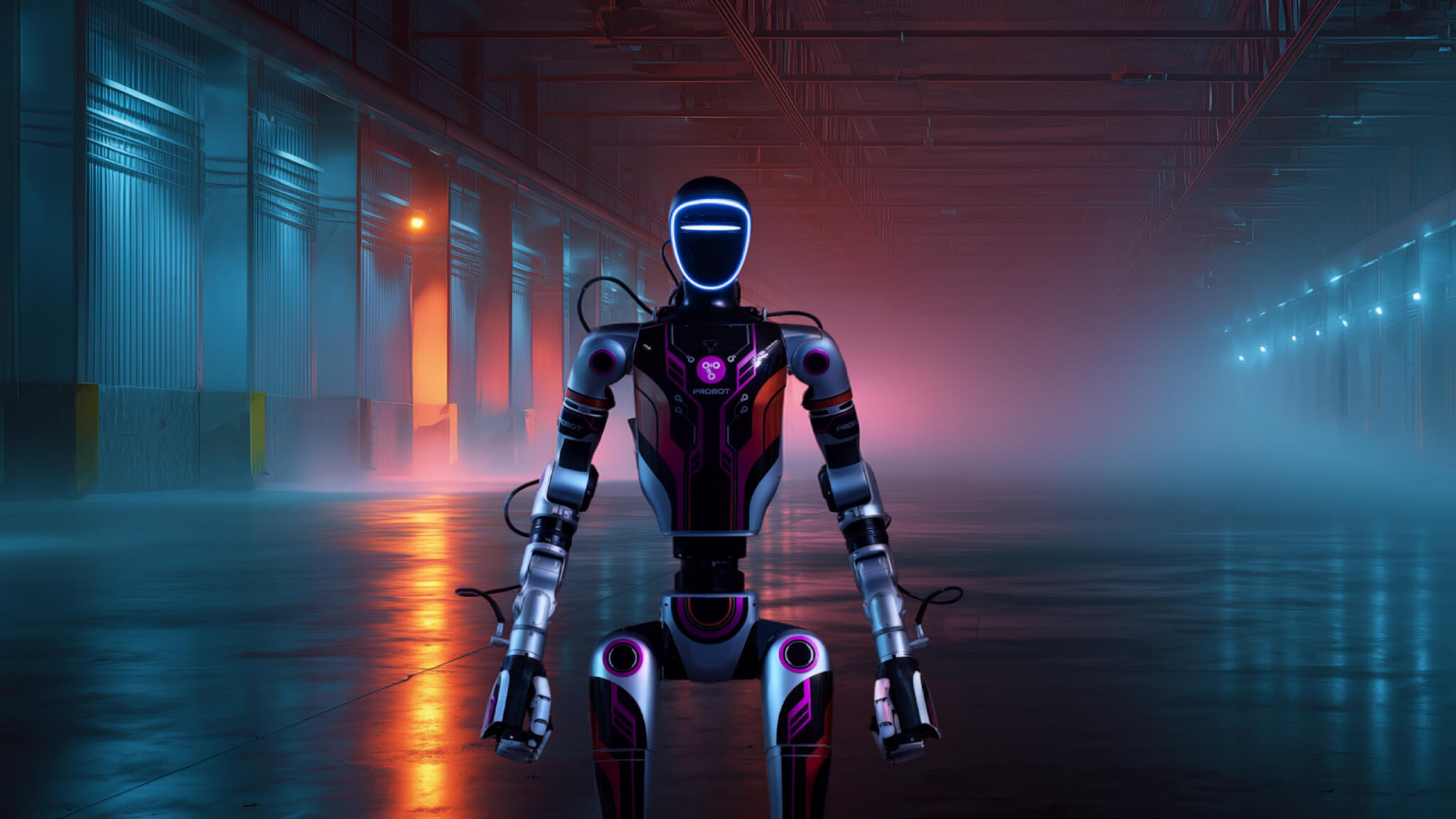
A humanoid robot is the physical embodiment of AI: a bridge between the digital and physical worlds.
“In practice, humanoid robots are machines that resemble humans in structure, movement, and functionality. They typically have two legs for locomotion and balance, two arms for manipulation, and sensors that enable environmental perception and interaction,” explains our CEO Matti Tikanmäki.
The human-scale form factor makes humanoid robots highly versatile: they can move in the same spaces and use the same tools as humans.
“But humanoid robots do not think, feel, or make intuitive decisions. They do what they are trained to do,” Matti summarizes.
Humanoid Robots — Partner or Thread?
It’s completely natural to wonder whether humanoid robots will replace human jobs. Our view, however, is clear: we are building a work environment where robots handle robot tasks and humans handle human tasks.
People excel in roles requiring empathy, creativity, situational judgment, and big-picture thinking. Robots, in turn, are well-suited for traditionally heavy, repetitive, dangerous, or ergonomically demanding tasks. Humanoid robotics takes this principle a step further: robots can operate as human-like partners in environments where traditional robotics has not been effective.
“At the moment, the most promising use cases are straightforward routines where the robot’s human-like characteristics and interaction capabilities bring clear value,” Matti says.
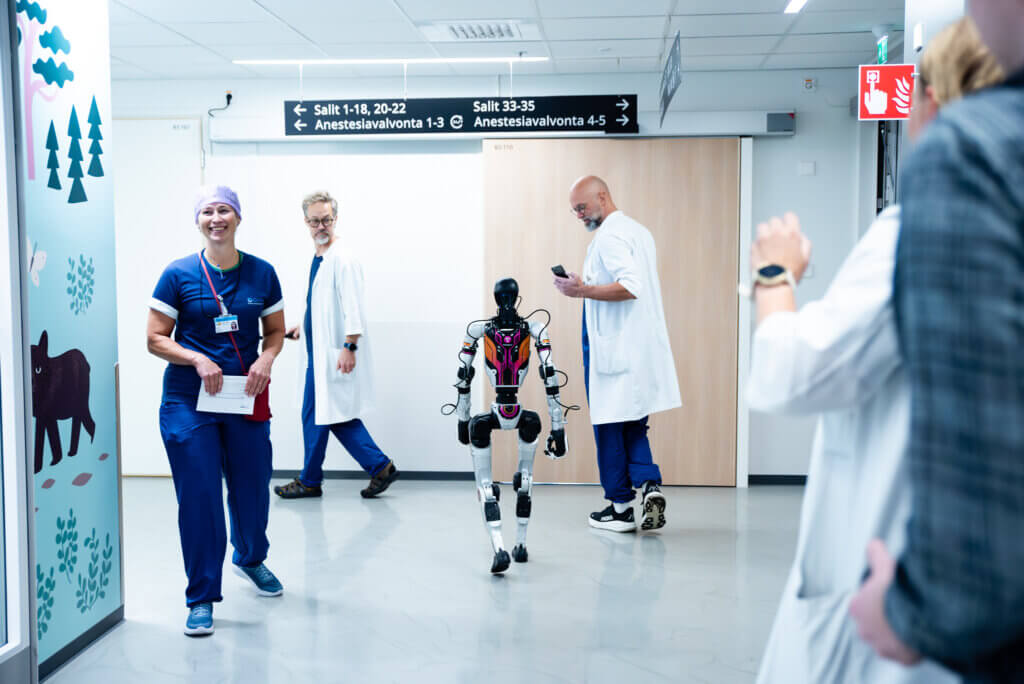
Examples include repetitive internal logistics tasks, moving goods and pushing carts, simple part handling, and scanning, mapping, or monitoring environments. Humanoid robots are also well-suited for guidance tasks and other routine interaction scenarios.
Equally important is recognizing how quickly the technology evolves. What humanoid robots can do today is only the starting point. Early adopters not only benefit from using the technology early but also influence its direction, create new operating models, and open entirely new business opportunities. The impact is not limited to individual tasks. Humanoid robotics can transform entire processes and roles as capabilities grow.
“In the future of work, the human role will not disappear. It will evolve. There are human tasks and robot tasks,” Matti concludes.
Realities and Challenges of Humanoid Robots
Despite the rapid progress, humanoid robotics is not a magic cure, and 2025 remains a foundation-building year.
Automation and Data First
If processes aren’t automated or data isn’t in order, a humanoid robot will not deliver real value. Probot’s work in industrial automation helps build exactly this foundation. You can read more about our robotics and automation services here.
Safety Around Humans
Safety standards are evolving, but operating in shared workspaces still requires testing and validation.
Technical Limitations
Battery life, payload, and cycle speeds are still limited. Diverse environments can also pose challenges: slippery, wet, uneven surfaces or steep stairs can still surprise a robot.
Integrations Make the Difference
Buying the device is only the beginning. Real value comes from programming, applications, and integrations.
“Humanoid robotics is currently in a phase of experimentation and pilot projects. The priority is to identify use cases where the benefits are greatest,” Matti notes.
Vaikka humanoidirobotiikan kehitys on nopeaa, mikään ihmelääke se ei rehellisyyden nimissä kuitenkaan ole. Vuosi 2025 on edelleen perustan rakentamisen vuosi.
What Does This Mean for Finland?
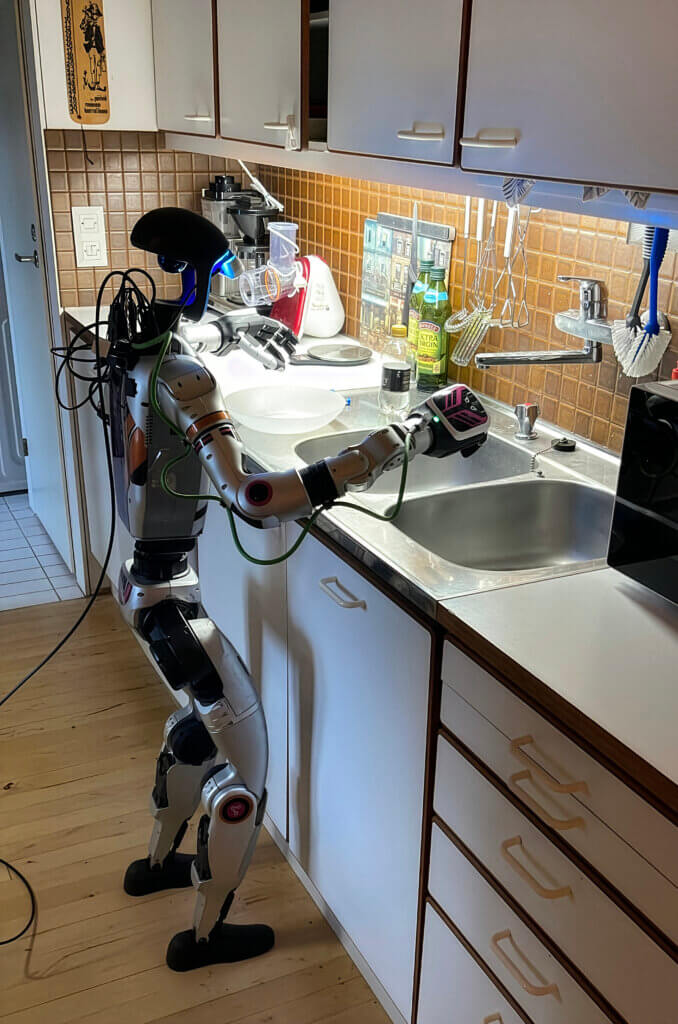
Finland has strong robotics expertise, and the opportunities in humanoid robotics are enormous. Companies can already test solutions that push operations toward future working models, perhaps faster than we imagine. For educational institutions and research, humanoid robots offer a fresh and versatile platform. For service sectors, home care, and warehouses, the technology may arrive sooner than expected. The key is to begin with tasks that are genuinely meaningful and well-fitting.
Finland now has a unique opportunity to step to the forefront of humanoid robotics. This technological shift won’t unfold decades from now, but in the coming months and years. Decisions made today will determine who helps shape the earliest applications and who watches from the sidelines.
“Technology should support everyday work, not complicate it. When we combine AI, robotics, and Finnish expertise, we can improve wellbeing at work and strengthen competitiveness. At this stage, the most important thing is to keep an open mind and re-examine processes from a new angle. Development must start from our own daily reality,” Matti emphasizes.
At Probot, we aim to be your long-term robotics partner — even for visions ten years ahead.
“We don’t see humanoid robotics and AI as toys, but as strategic investments. Planning should begin early.”
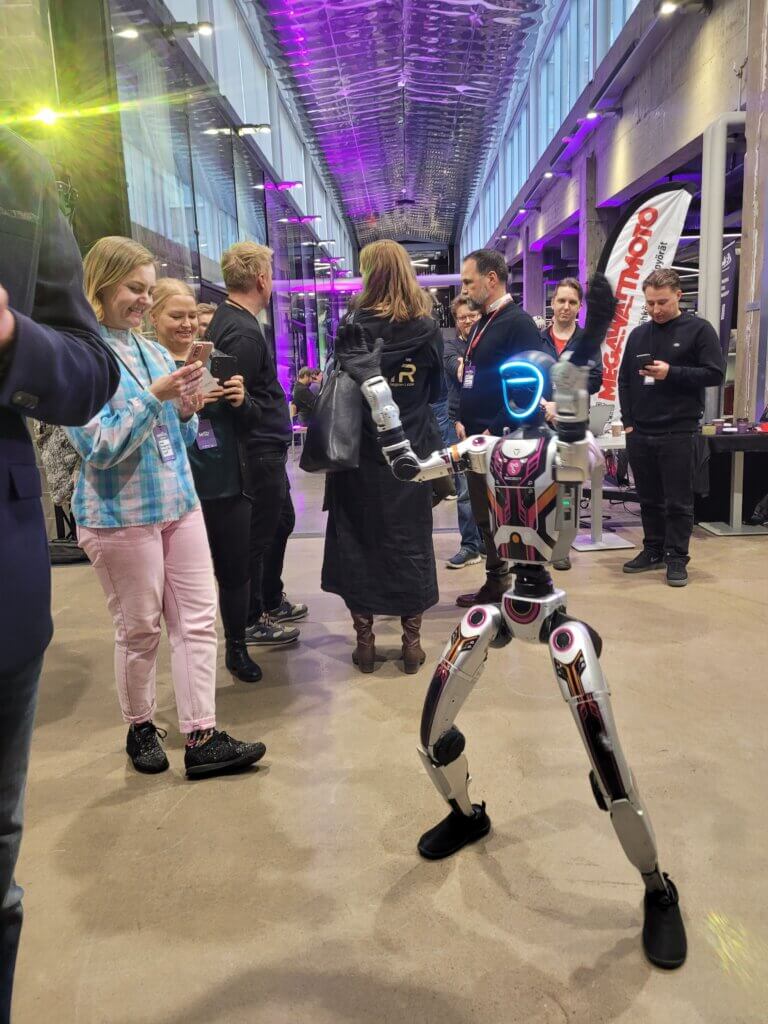
Humanoid Robots 101 –Summary
Key insights:
- Humanoid robotics integrates AI with physical capability in an entirely new way.
- A humanoid robot does not replace humans. It works alongside them where human-like functionality delivers real value.
- Successful deployment requires solid automation and quality data as a foundation.
- Humanoid robotics can strengthen competitiveness, build new expertise, and create entirely new business domains, especially for those willing to experiment early.
Now is the right time to explore how humanoid robotics could bring value to your operations. The future isn’t built by watching from the sidelines. It’s built by doing, together.
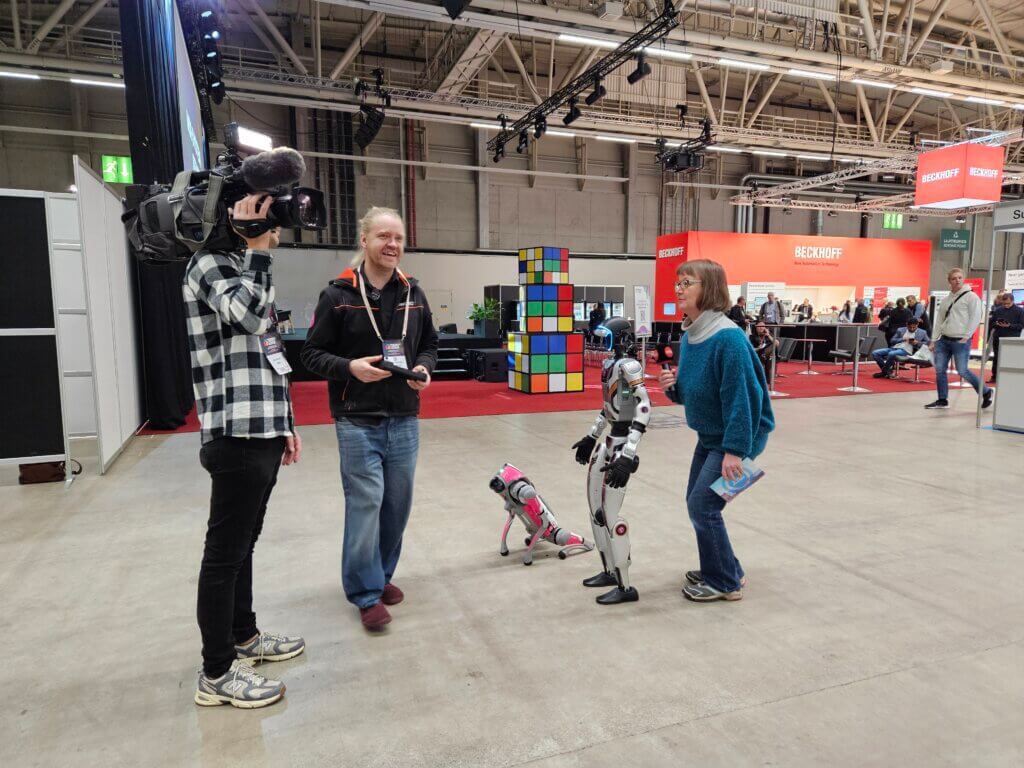
Did you know you can also arrange a “work experience period” with a humanoid robot? It’s a practical way for us to help identify which tasks a robot could best support in your workplace. Feel free to contact us here.
If you’re planning an event that could use a spark of excitement or a concrete glimpse into the future, you can invite Matti, Antti, and Arska to join! Matti and Antti deliver expert talks on humanoid robotics, AI, and the future of work, while Arska arrives to captivate the audience and offer a live demonstration of a humanoid robot.
You can take a look here at the types of events we joined, for example in Helsinki this November.
Probot Oy – Specialist in Robotics.